
Is your life a sport? Then you should definitely know that a glass of fresh juice is a loyal friend and helper for athletes. Fruits, vegetables, and berries are a storehouse of vitamins, minerals, and pectins for toning the body. A glass of juice in the morning on an empty stomach is the key to a proper fitness diet.
In addition to vitamins, the body must receive the normalized amount of carbohydrates, proteins, and fats. For those who want to excel in sports, giving up bread and butter for breakfast will not be enough. Excess fats will not disappear from your body. The foundation of good sports nutrition is the daily monitoring of the diet during fitness or sports, as well as the accounting of physical activity of athletes. Don’t have time to cook every day? A weekly menu from FoodEx experts will provide an athlete with a balanced diet without food that is harmful to the body and fitness. The diet selected by experts will improve your health and prepare your body for training.
The basics of healthy eating are easy
“Less you know, better you sleep” is not a motto for athletes. There are two processes that accompany an athlete: exercise and recovery. Everything is clear with exercise, it’s training, and recovery is proper nutrition and the right amount of sleep. Your diet should be not only balanced, but also regular, and 8 hours of sleep is enough. Three very simple rules will help you achieve this simple formula for sports success:
All meals take place from 6 am to 6 pm.
You should eat in small portions, imagine that your stomach is the palms of your hands, as much food as you can put in them is what you need.
Drink water only before meals and 40 minutes after the meal.
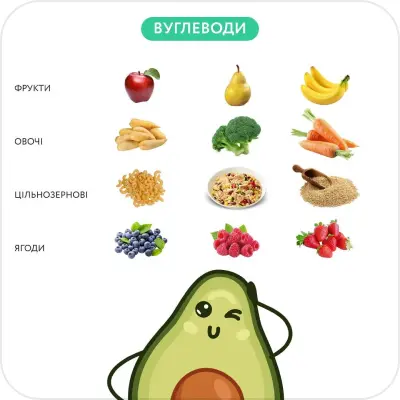
It’s impossible to imagine a diet for athletes without carbohydrates, proteins, fats, and micronutrients – these are must-haves. But which foods should be consumed and which should not? Essential foods fall into one of six groups. By the way, they should be consumed in the following order: liquids/vegetables, fruits, berries/grocery products/nuts, oils/eggs, dairy products/fish, poultry, meat.
You can eat everything (if you have no personal intolerance to certain foods), the main thing is to follow the order of consumption and eat no more than three groups at one meal.
In order for foods to be absorbed faster and better, you do not need to mix different groups, but eat them separately. For example, if you made yourself a sandwich for lunch, which is made of: whole grain bread, beef, a slice of cheese and greens – you should try to eat all these foods separately. The benefits of this will be 2 times greater, the body is not as fast as you. Grabbing a sandwich in one sitting, it simply cannot release all the necessary substances at once for complete and proper assimilation, the body does not have time to cope with such a variety.
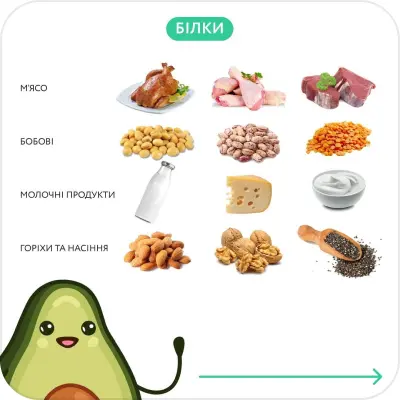
Muscles are important for many athletes. Protein will help build them, plus it helps the body work properly and does everything to ensure that training and nutrition meet the goals set. Some sports exercises are impossible without glycogen. Glycogen is an important source of energy for muscles, which is accumulated, stored and retained as a result of a proper balanced diet in the athlete’s body. But, as nothing lasts forever, the reserves of this carbohydrate are limited. The result of its deficiency in the body is physical fatigue, weakened immunity and increased risk of disease. The basis of any sports drink is an aqueous solution of glucose. It helps to perform active actions for a certain period of time, but remember that energy will not be produced.
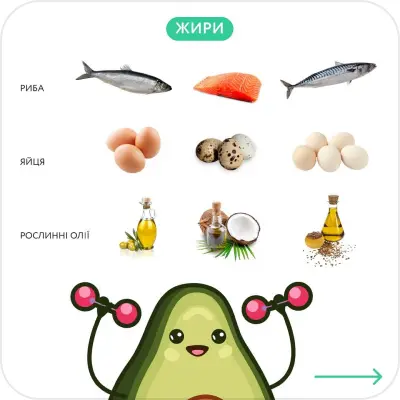
The secret of athletes is a clear understanding of the concepts of “fats” and “fatty foods”. Fats are glycerin and fatty acids, the latter let us know what to eat and what not to eat. Fatty acids are divided into 2 types.
Their name makes it easy to determine the level of usefulness:
- Saturated – contain a high percentage of carbon compounds, these are animal and some vegetable fats: fast food, cakes, chicken leg, palm and coconut oil.
- Unsaturated – minimum carbon content, nuts, fish, vegetable oils.
The diet of an athlete differs from the menu used in a diet. Food should satiate the body, and physical activity should increase using energy reserves. To do this, you need to eat cereal cereals that are rich in complex carbohydrates, drink plenty of tea and water to maintain water balance. Most importantly, remember to eat only natural products.
What should not be on the athletes’ menu
There are 3 horsemen of the apocalypse for athletes: alcohol, sugar, and mushrooms, in small quantities, they certainly won’t hurt. With alcohol, everything is clear, only on holidays. But sugar, which we are used to adding to tea, does not exist in nature. It is a product created through chemical processing, and on top of that, it removes calcium from the body. Get yourself used to brown sugar, it is a little more expensive, but you need much less of it, it is sweeter, and it is better to drink tea without sugar, then the delicate taste and aroma are preserved. Mushrooms are not harmful to the body, but they are not useful. They do not contain any useful and nutritious substances, except for the heaviness in the stomach, you will not get anything.
Do not save time for yourself and your health, we live only once. Food and nutrition not only satiate, but also provide energy and the right amount of vitamins and nutrients for the body. With this attitude, long and exhausting physical training will be easier. And conquering new sports peaks will be more enjoyable.
How to eat right
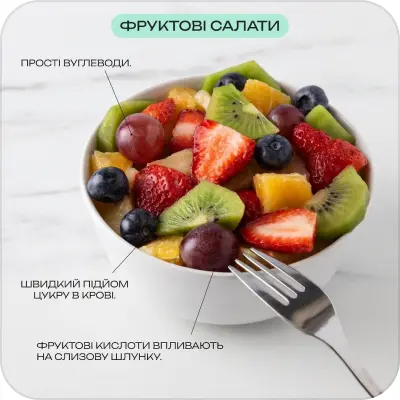
You have a clear training plan, so why not create a well-thought-out nutrition program? Proper nutrition for athletes is a menu for the week. It includes breakfast, lunch, dinner and small snacks. It is worth distributing your diet in such a way that you do not forget to eat at the same time every day. This will contribute to better digestion and absorption of food. The body is a system, so you need to eat systematically, plan your meals, taking into account the calorie content of dishes, and monitor the percentage of fat in foods. Make it a rule to eat only 2 hours before training, and try not to give preference to fast carbohydrates for a snack. Fruit, low-fat cottage cheese, or yogurt will be a more suitable choice. Remember that maintaining the optimal ratio of animal and vegetable fats, simple and complex carbohydrates, and proteins is an important task for sports.
It’s easy to follow all the rules of a healthy diet if you remember that it will make it easier to achieve results in sports. Set not only records, but also goals! Variety in training means variety in food. Salad, porridge, kefir, cottage cheese, different types of fish are the best foods in the diet.
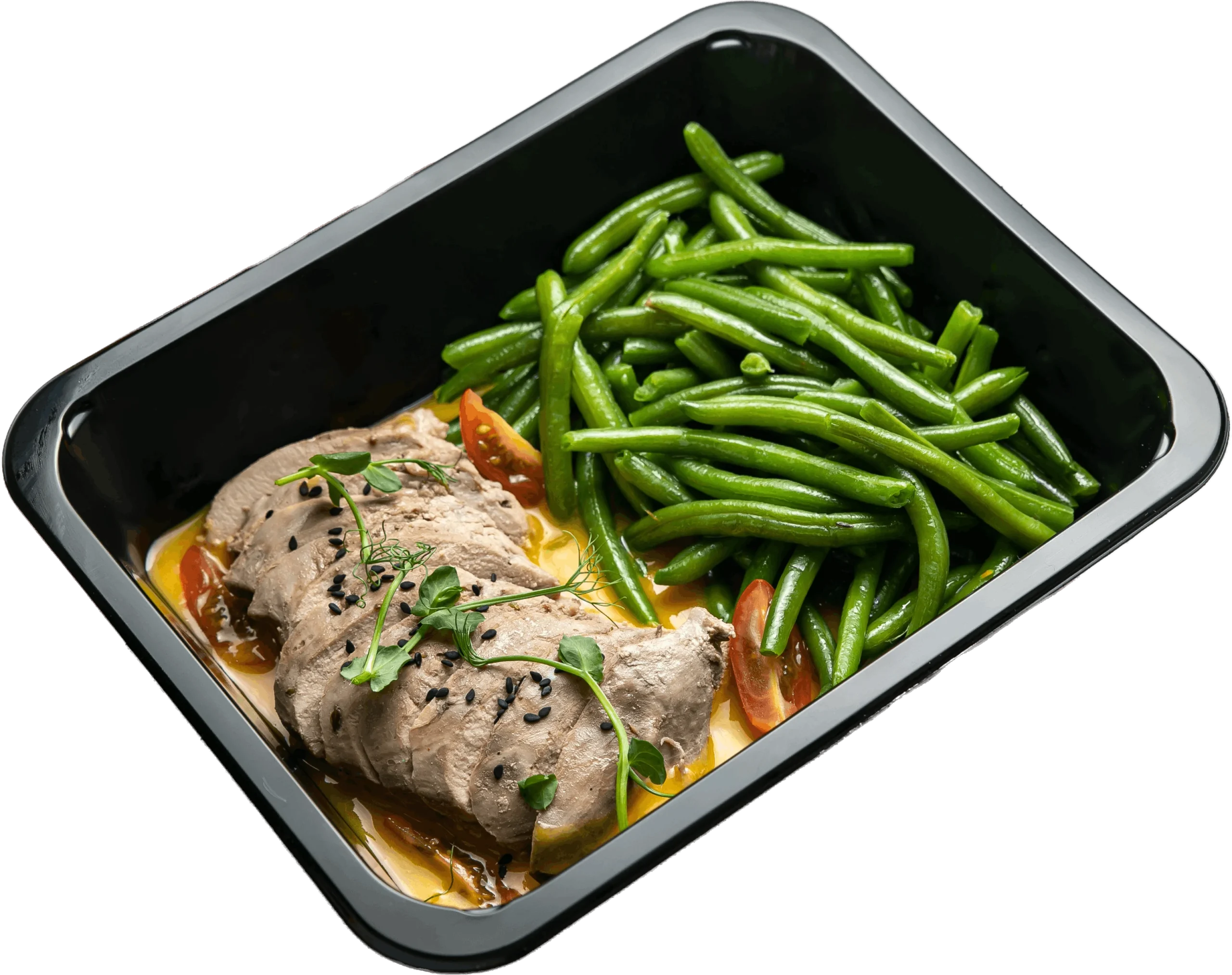
If you don’t have much time to cook, you can use the FoodEx nutrition program as an alternative. This program works for athletes and people who want to eat healthy and fast. Nutritionists will develop an individual menu for you, it will be healthy, tasty and of high quality. All the features of the body will be taken into account, the optimal amount of calories will be calculated, meals will be scheduled, your time will be saved, and the food will be delivered to your home. The result is a balanced diet tailored to your body’s needs and increased endurance during training.