
Pregnancy and motherhood are the most important stage in every woman’s life. How do you combine a plant-based diet with family planning? Will vegetarianism harm the future mother and the baby’s health?
The FoodEx team asked the expert a question. Natalia Velyka, nutritionist, nutritionist at ISIDA Clinic, CMS, winner of the NAMS of Ukraine award:
The rejection of animal products is associated with various reasons: ethical, religious, and medical. Doctors do not object, but note that this is not the best diet for a pregnant woman’s health, because animal foods contain substances that are not present in plant foods and are not synthesized by the body. However, if a woman has been following a vegetarian menu for many years, her enzyme systems become unaccustomed to digesting animal products, and a sharp switch to traditional food can worsen her condition and put additional stress on the body.
Optimal diet – nuances for vegetarians:
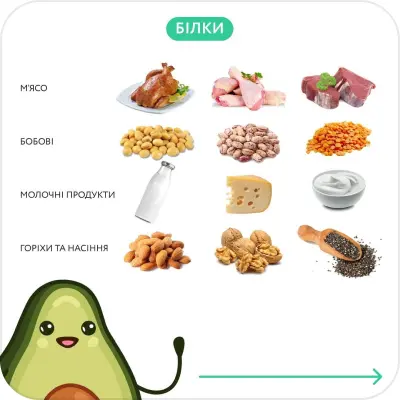
- Ensuring sufficient protein. It is from protein that the body builds the muscle tissue of the uterus, organs and systems of the baby. If possible, it is also advisable to consume animal protein, which is found in milk and eggs. In this case, plant foods will be absorbed 30 times better!
- The right combination of foods and their use according to the body’s biorhythms.For example, calcium, which is contained in cottage cheese, kefir, sesame seeds, is better absorbed by the body in the morning and evening. To increase the bioavailability of these products, it is good to supplement them with fruits and greens. Iron is better absorbed during the day, and its plant sources – pomegranate, apple, dogwood, cherry, raspberry – are combined with a protein base (kefir, yogurt).
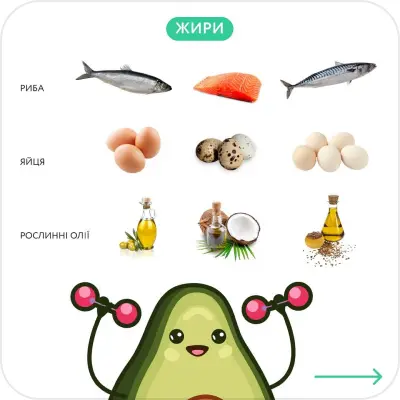
- Supplementation of the diet with omega-3 polyunsaturated fatty acids. They are abundant in sea fish and nuts (especially walnuts), pumpkin seeds and oils from them, which are preferably used in the afternoon and evening.
- Consumption of iodine-containing products. Iodine (180-200 mcg per day) not only ensures the normal functioning of the thyroid gland, but also lays the foundation for the baby’s intelligence. The leader in its content is seaweed. To improve iodine absorption, seaweed should be combined with protein sources, such as soft cheese or beans.
Advantages of plant foods:
- is a source of water-soluble vitamins
- helps to cleanse the body of toxins due to the content of a large amount of fiber, pectins, detoxifying vitamins
- contains a lot of magnesium, which regulates the state of the uterus, normalizes the gallbladder and intestines, as well as a significant amount of potassium, which regulates the heart and muscles
- does not contain cholesterol, which clogs blood vessels.
IMPORTANT!
In order for all these nutrients to be absorbed, a transporter protein is needed, which is why ovo- and lacto-vegetarianism is healthier than veganism.
Cons of vegetarianism:
- Iron deficiency. Heme iron, which is fully absorbed by the body, is found only in meat.
- Lack of fat-soluble vitamins. Vitamin A is found in meat, milk and dairy products, eggs, and only sea buckthorn among vegetable products. Other fruit and vegetables contain its provitamin, beta-carotene, which the body must still process to turn into vitamin A. Vitamin D is found in fish (fish oil) and egg yolk. In summer, under the influence of ultraviolet morning and evening sunlight, vitamin D can be synthesized in the skin. And in winter, the aforementioned foods are the sources of this vitamin, which is so important for the formation of the child’s bone system.
- Lack of essential amino acids from high-protein animal products. These amino acids are called essential because the body cannot replace or synthesize them. Namely, these amino acids ensure growth processes, including in a baby. Meat, milk and eggs contain more than 15% protein. In soybeans – 30%, in beans – 20%. But! Protein from plants contains few essential amino acids, has completely different properties and is more difficult to digest. While milk protein has an efficiency factor of 2.5 (an indicator of how much of its own protein the body synthesizes from 1 g of raw protein), soy protein has a 0.5 efficiency factor. This means that to ensure the normal growth and functioning of the human body, we need to eat much more plant foods.
IMPORTANT!
Vegetarians with experience modify the processes of protein metabolism, opening up new opportunities for the synthesis of this substance. And yet the problem of protein deficiency remains relevant.
Think of two:
During pregnancy, mild variants of vegetarianism are quite acceptable. The main rule is not to change the diet abruptly: if a person does not consume animal products for a long time, the body stops producing the enzymes necessary to break them down. Therefore, after eating meat, the expectant mother may feel heavy and uncomfortable. That is why it is necessary to consult a nutritionist – a specialist will develop tactics and an appropriate diet for all periods of pregnancy, as well as monitor indicators that indicate that the body is sufficiently supplied with the necessary substances that are necessary for the normal development of the baby and the preservation of the mother’s health.
Source: isida.ua