
Maintaining the right weight during pregnancy is important not only from an aesthetic point of view. The health of mother and baby is at stake.
BY THE BOOK
Weight gain during pregnancy is a serious indicator. Its increase depends on the initial data of women. For example, during the 9 months of waiting, young mothers with a low body mass index can gain 15-17 kg, with an average – 10-12 kg, with a high – 6-8 kg.
Slender women should not worry if the scale deviates from the usual mark by a few kilograms during the first weeks of pregnancy. The accumulation of adipose tissue is a natural need of the body, because such a layer will not only play the role of an energy storehouse, but also become a “depot” for hormones necessary for carrying a fetus.
Obese women should balance their diet in such a way that the previously accumulated supply of adipose tissue is partially used to provide the energy component of vital activity. However, one should not forget about the substances necessary for the development of the baby.
THE MOST ESSENTIAL
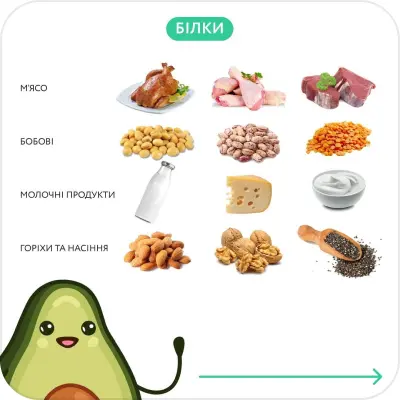
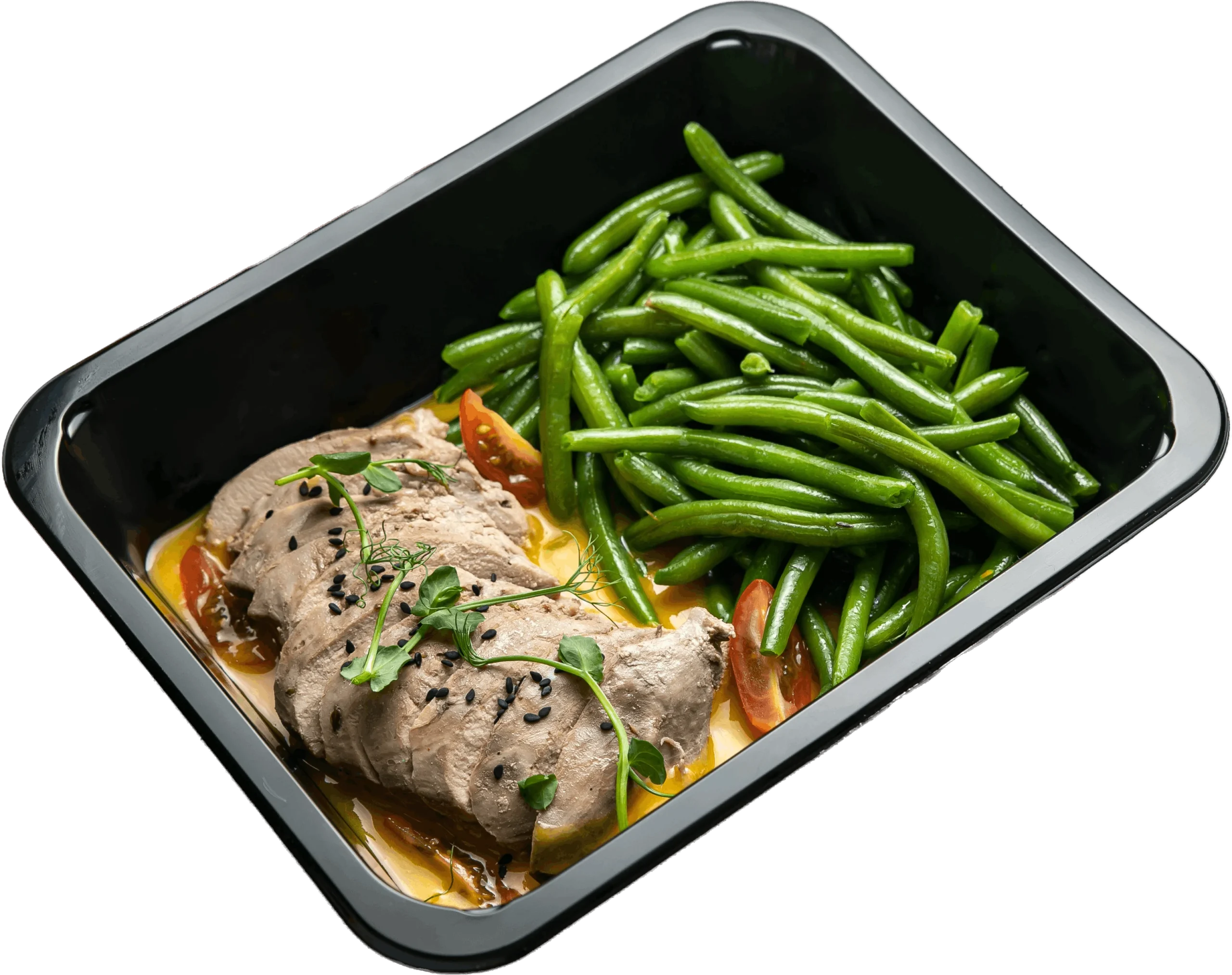
Protein is the main building block needed for the growing uterus and fetus. The required amount of this substance is calculated as follows: 075 g for every kilogram of weight + another 10 g daily. This is quite a lot, especially when you consider that, for example, 100 g of meat contains only 20 g of pure protein. Therefore, one of the protein foods – meat, fish, eggs, cottage cheese, white cheeses, or fermented dairy products with bacterial cultures – should be included in every meal.
In addition to ensuring the synthesis of muscle tissue in the reproductive organs and fetal tissue, protein also
– promotes the full absorption of vitamins and minerals: once it enters the body, it delivers vitamins, minerals and fatty acids to the cells.
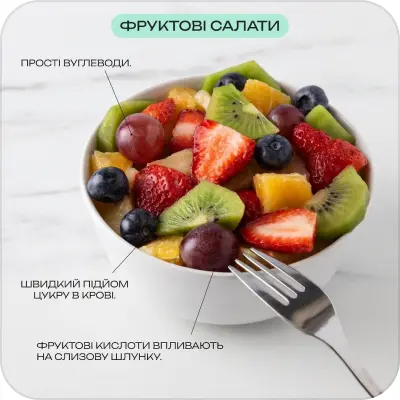
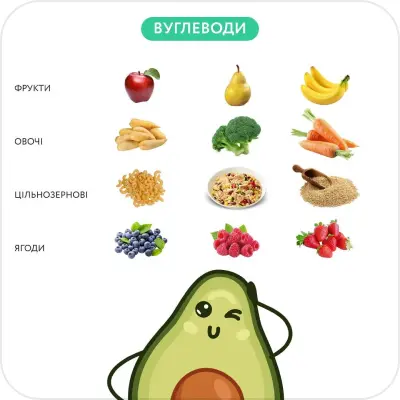
– gives a feeling of satiety: protein foods reduce the need for carbohydrates, the main cause of overweight (it is recommended to add a protein component to fruit and berry and vegetable dishes);
– helps maintain normal weight: digesting proteins requires much more effort from the body than breaking down carbohydrates and fats.
Expert Natalia Velyka, nutritionist at the ISIDA clinic:
“The state of waiting for a baby increases a woman’s energy expenditure by only 150 kcal per day in the first half of pregnancy and by 300 kcal in the second half. At the same time, the mother’s physical activity decreases. That’s why the advice to “eat for two”, which can be heard from the older generation, is unfounded, while it is important to take into account that mother and child need a lot of proteins, vitamins and minerals.”
ELIMINATE RISKS
The expectant mother should remember that carbohydrates consumed in excess cause metabolic changes in the fetus. Many fat cells are laid down in the child’s body, and in the future he or she will be prone to obesity and related problems.
But you shouldn’t go to extremes either: in no case should you make independent decisions about fasting diets. Some foods (for example, fermented dairy products – they meet the body’s need for calcium) are needed in the diet every day. Dietary adjustments should be made only under medical supervision, taking into account the results of tests and ultrasound.
ISIDA advises
TOP 5 RULES OF PREGNANT WOMEN’S NUTRITION FOR GOOD SHAPE
1. Eat with pleasure. “It’s delicious for me!” – is the main message the brain receives. Neither the TV nor the smartphone should interfere with the enjoyment of food. You will still have time to tell your friends the news, but tell your child about the wonderful dish that is now in front of you.
2. Chew thoroughly. This will allow your taste buds to analyze each bite longer. In addition, well-crushed food will not cause heaviness in the stomach.
3. Take your meals slowly. True satiety occurs when glucose is absorbed in the stomach and the brain center responsible for hunger receives the appropriate signal. This process takes at least 20 minutes.
4. Do not drink immediately after eating. First, liquid dilutes gastric juice and impairs digestion. Secondly, it cleanses the taste buds, which reduces the time allotted for gastronomic pleasure.
5. Do not stretch your stomach. Eat small meals in small portions. It is important to stop eating before you feel full.