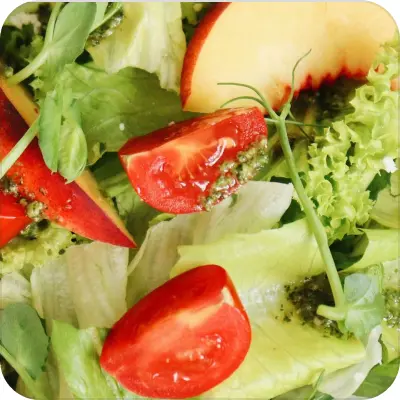

The grass is green, the sun is shining, and the body needs vitamins! Fortunately, juicy greens, young radishes, cucumbers, greenhouse tomatoes have already appeared on the shelves … But first, let’s figure out how much good are early vegetables really good for you?
What do we know about nitrates?
Any plant needs nitrogen for growth and fruit ripening. Or rather, nitrogen in combination with oxygen (NO3) or hydrogen (NH4+). All soils contain nitrate nitrogen, and plant roots absorb it. Simply put, there are no “nitrate-free products” in nature. In normal amounts, organic nitrates are absorbed by the human body. Only a high content of nitrogenous compounds is harmful to health!
Possible consequences of excess nitrates include poisoning, oxygen starvation (tissue hypoxia), changes in the functions of the central nervous system, cardiac activity, the formation of carcinogens and the formation of malignant tumors (primarily of the gastrointestinal tract).
Nitrates are especially dangerous for pregnant and lactating women, as well as for children of preschool and primary school age.
Why can early vegetables be dangerous?
Early vegetables are grown indoors (greenhouses, hotbeds). Excessive accumulation of nitrates in them occurs due to improper fertilization, temperature conditions, humidity or lack of lighting.
Nutritionist’s advice:
The FoodEx nutritionist does not advise rushing to spring vitamins “from the garden”. Contrary to expectations, they contain much less vitamins than ground fruits. But the risk of excessive nitrate content is very high!
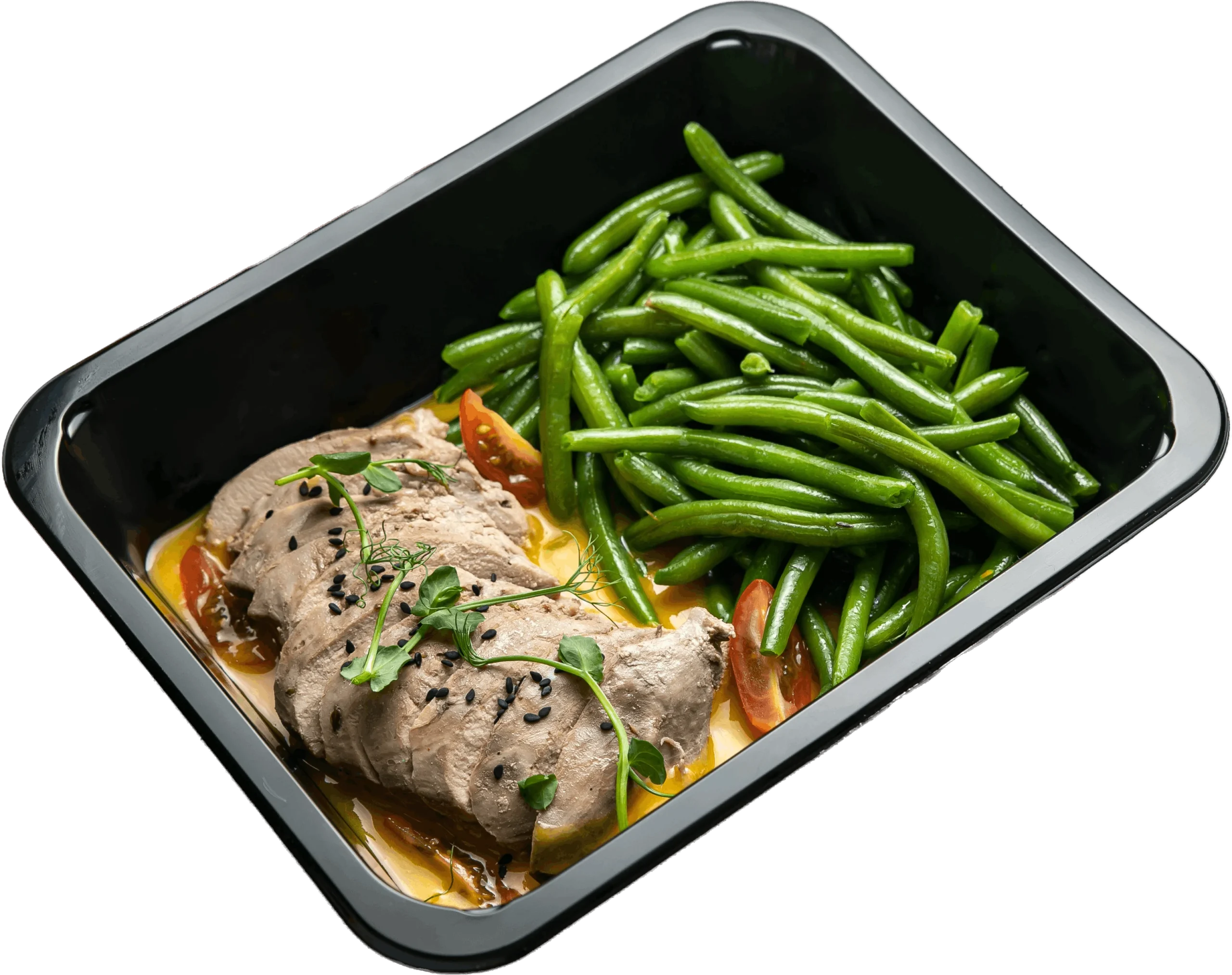
To provide your body with vitamins in the spring, Natalia Fedorenko advises cooking frozen vegetables, adding sprouted grains of cereals and legumes, microgreens, and drinking decoctions of dried fruits and rose hips to your diet. By the way, you can easily grow herbs on your own windowsill.

And yet, it is quite difficult to resist trying early vegetables … Don’t hesitate to ask the sellers for documents confirming the quality of the products! Try to minimize the nitrate content during cooking.
How to neutralize early vegetables?
Ways to neutralize nitrates:
1. You can get rid of a significant part of nitrates by soaking vegetables in cold water for 15-20 minutes. This method is especially effective for leafy greens. It is better to cut root vegetables and cabbage into small pieces before soaking.
2. Before cooking, wash the vegetables thoroughly, cut them off and remove the parts that accumulate nitrates (peel, stalks, green parts of potatoes and carrots).
3. Boil if possible – this method of cooking reduces nitrates by 50-80%. Drain the broth immediately after cooking, and then salt the dish.
4. Citric acid or pomegranate juice can neutralize nitrate compounds. Add them to salads or sprinkle them on vegetables before cooking.
5. Do not store thawed vegetables, freshly prepared salads, and fruit and vegetable juices, even in the refrigerator, for more than a day.

When buying, pay attention:
The greens should be dark green in color, all the leaves should be elongated, and the root cut should be fresh. The indicator of freshness of cucumbers is dark green color, thin skin and hardness. For fresh cabbage, the cut is clean and moist, the outer leaves are bright green and shiny. Young cabbage should be light and not too hard. Choose radishes without dark and yellow spots. The fruits should be firm and evenly colored. When buying green onions, pay attention to the border between the white and green parts of the feathers. Its clarity and density indicate good quality onions.
Lettuce, kale, spinach, dill, radishes, and green onions contain the most nitrates. Slightly less in cauliflower, broccoli, cucumbers, celery, zucchini, radishes, carrots, and white cabbage.